Introduction: Why Choosing the Right Manufacturer Matters
Rough terrain forklifts are not ordinary warehouse machines. They work on farms, construction sites, mining areas, and other rough environments where the ground is uneven, muddy, or loose.
Because the working conditions are tough, buyers cannot afford unreliable equipment.
For importers, dealers, and rental companies, choosing the wrong manufacturer can lead to several problems:
- Machines break down too often
- Spare parts are difficult to get
- Certifications are missing or incorrect
- Delivery delays ruin peak selling seasons
- Customers lose trust in your brand
Many buyers today look to China for rough terrain forklifts because of competitive pricing and growing manufacturing capability. However, not all suppliers are the same. Some are real factories with stable production lines, while others are just trading companies.
So the key question becomes simple:
How can buyers identify a truly reliable China rough terrain forklift manufacturer?
This guide explains the important things to check before placing an order.
Understanding Rough Terrain Forklifts and Their Applications
Before choosing a manufacturer, it helps to understand what makes rough terrain forklifts different from standard forklifts.
4
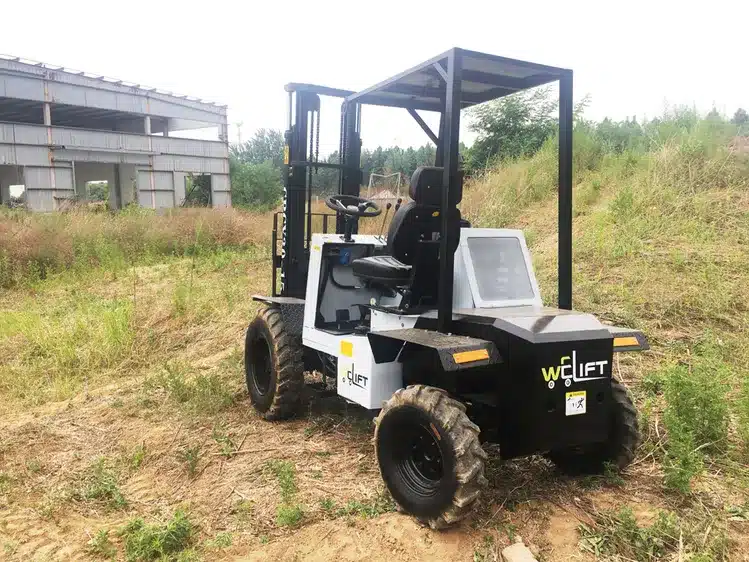
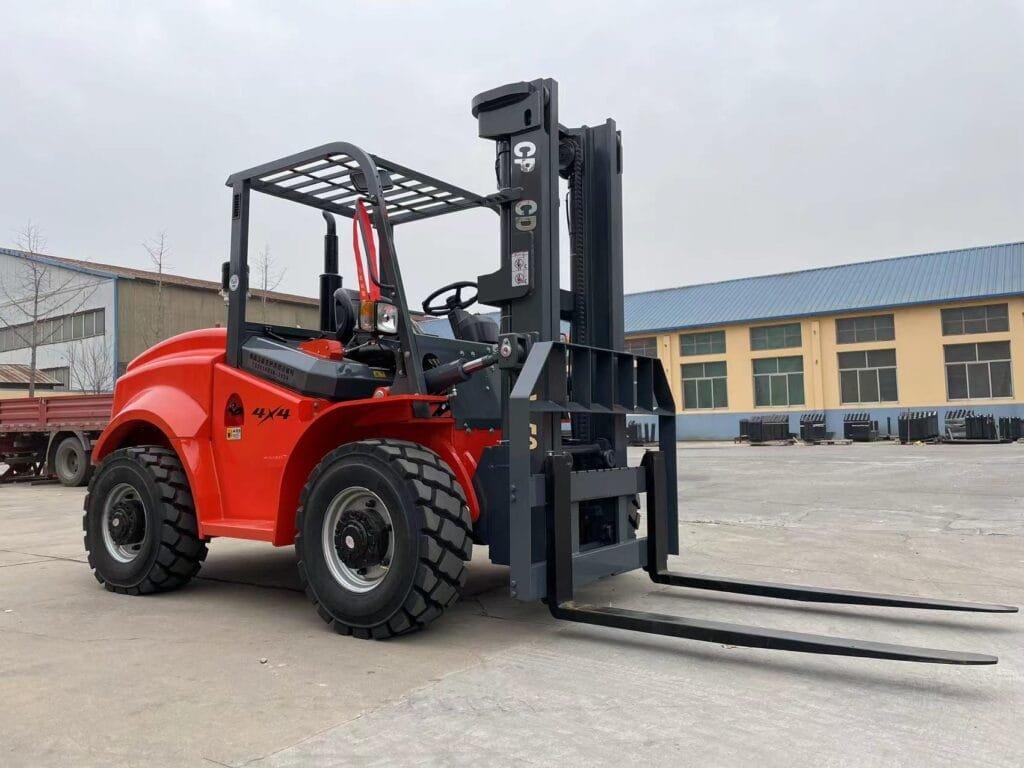
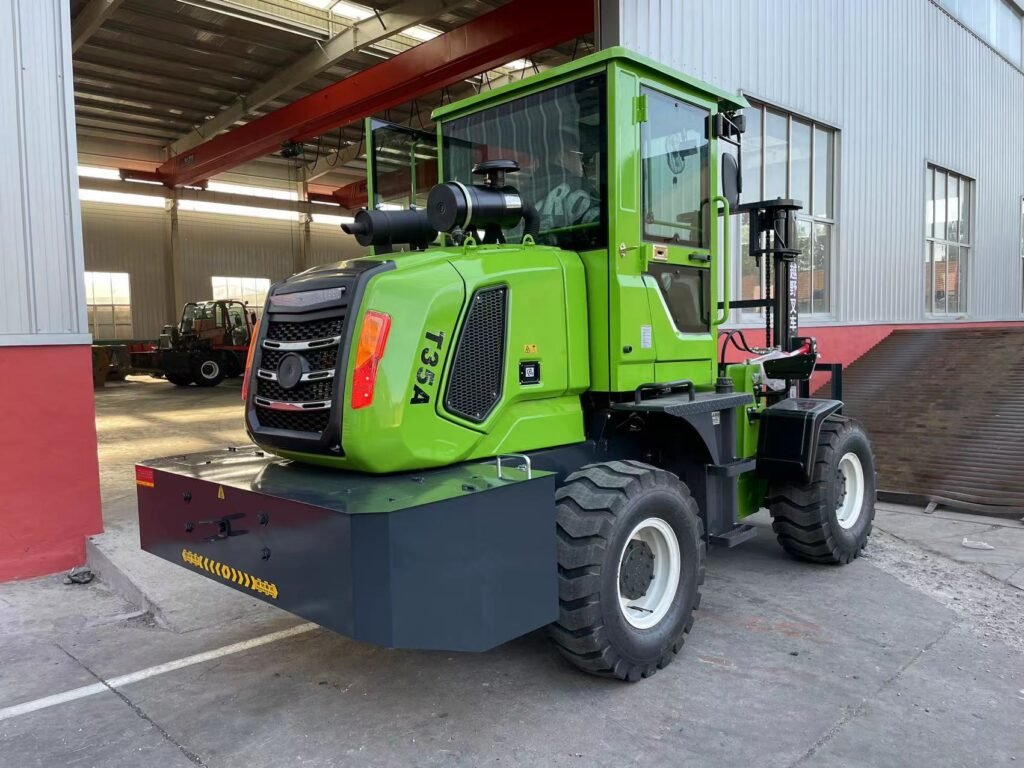
Rough terrain forklifts are designed specifically for outdoor use.
Common features include:
- Large off-road tires
- High ground clearance
- Four-wheel drive
- Strong diesel engines
- Heavy lifting capacity
Typical industries using them include:
- Construction sites
- Farms and agriculture
- Timber yards
- Mining operations
- Infrastructure projects
These machines must handle mud, slopes, rocks, and loose soil. That means the reliability of the manufacturer becomes extremely important.
Key Qualities of a Reliable China Rough Terrain Forklift Manufacturer
When evaluating suppliers, experienced buyers usually focus on five main areas:
- Factory capability
- Quality control
- Export certification
- Parts support
- Communication reliability
A good supplier should perform well in all these areas.
Missing even one can create long-term problems for distributors.
Manufacturing Capability: What a Real Factory Looks Like
One of the biggest mistakes buyers make is assuming every supplier online is a manufacturer.
In reality, many are trading companies.
A genuine factory typically shows several clear signs:
1. Complete Production Lines
Reliable factories usually have:
- Welding workshops
- CNC machining centers
- Assembly lines
- Testing areas
These facilities ensure consistent quality.
2. Stable Workforce
Experienced factories often have technicians who have been assembling machines for many years.
This matters because machine assembly requires skill and consistency.
3. Engineering Team
A serious manufacturer will have engineers responsible for:
- Structural design
- Hydraulic systems
- Safety testing
- Product improvement
Factories without engineers usually cannot solve technical problems quickly.
Quality Control Systems You Should Expect
A forklift working on rough terrain faces heavy stress every day. Without strict quality control, breakdowns will happen quickly.
Reliable manufacturers usually check machines at multiple stages.
Incoming Parts Inspection
Before assembly begins, components such as:
- hydraulic pumps
- engines
- gearboxes
should be inspected.
Good factories reject defective components immediately.
Assembly Inspection
During assembly, technicians check:
- bolt torque
- hydraulic connections
- wiring installation
Small mistakes here can cause serious problems later.
Final Machine Testing
Before shipping, machines should be tested for:
- lifting capacity
- hydraulic performance
- steering stability
- braking performance
Machines that pass testing are then prepared for export.
Factories with strict quality processes usually produce more consistent machines.
Certifications and Compliance for Export Markets
For international buyers, certification is extremely important.
Different regions require different standards.
Common certifications include:
- CE certification for Europe
- EPA engine standards for the United States
- ISO quality management systems
Reliable manufacturers can provide authentic documentation and testing reports.
Buyers should always verify certificates carefully. Unfortunately, certificate fraud still exists in the machinery industry.
Working with factories that regularly export to Europe and North America reduces this risk.
Parts Supply and After-Sales Support
One of the biggest concerns for distributors is spare parts.
Even the best machines eventually need maintenance.
Reliable suppliers should provide:
- Fast spare parts supply
- Clear parts catalogs
- Technical support
Some experienced manufacturers maintain dedicated spare parts warehouses for export customers.
This makes repairs much easier for dealers and rental companies.
When evaluating suppliers, buyers should ask:
- How fast can spare parts be shipped?
- Are common parts stocked?
- Is technical support available?
A supplier who cannot answer these questions clearly may not be ready for long-term cooperation.
Customization Capabilities for Dealers and Importers
Many distributors want to sell machines under their own brand.
A reliable manufacturer should support customization.
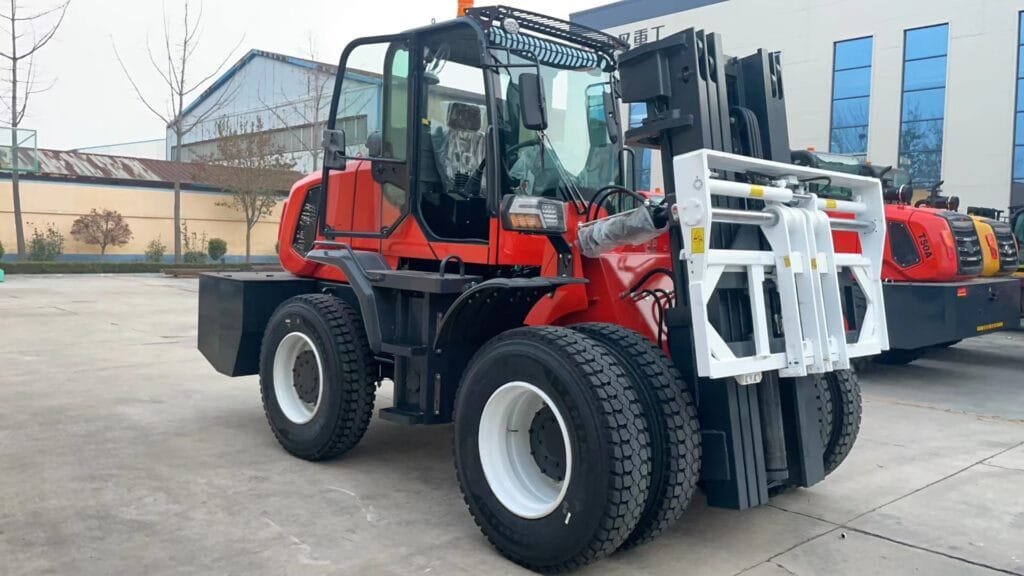
Typical customization options include:
- Private labeling
- Custom color schemes
- Attachment options
- Cabin configurations
- Tire choices
Factories experienced with export markets usually understand these needs well.
For example, some brands like Nicosail have developed flexible customization processes that help distributors build their own local brands while maintaining stable machine quality.
This kind of cooperation is very valuable for long-term distribution partnerships.
Logistics, Delivery Time, and Export Experience
Delayed shipments can cause serious problems for dealers.
For seasonal industries such as agriculture or construction rental, timing is critical.
Reliable manufacturers usually have:
- stable production schedules
- export packaging standards
- experience with international shipping
Typical export preparation includes:
- container loading plans
- machine protection during transport
- documentation for customs clearance
Factories that frequently export to Europe, North America, and Australia generally have more experience handling these processes.
Communication Efficiency and Transparency
Many buyers complain about slow or unclear communication with suppliers.
Good manufacturers treat communication seriously.
Signs of a reliable partner include:
- fast response times
- clear answers to technical questions
- honest explanations of delays or problems
- detailed product information
Efficient communication reduces misunderstandings and speeds up decision making.
Buyers should test communication early in the negotiation stage.
If responses are slow before the order, they will likely be slower afterward.
Price vs Value: Avoiding the “Cheap Machine” Trap
Price is always an important factor when importing machinery.
However, the cheapest supplier is rarely the best choice.
Extremely low prices often mean:
- lower-grade steel
- weaker hydraulic components
- minimal testing
- limited after-sales support
For distributors and rental companies, unreliable machines can cost much more in the long run.
Smart buyers focus on overall value, which includes:
- machine reliability
- parts availability
- technical support
- long service life
Many experienced importers prefer working with manufacturers that balance competitive pricing with stable quality.
Why Many Global Buyers Are Turning to Brands Like Nicosail
In recent years, several Chinese manufacturers have improved their production standards significantly.
Brands such as Nicosail are gaining attention in international markets because they combine several important advantages:
- factory-level manufacturing capability
- strong export experience
- flexible customization options
- stable machine quality
Rather than focusing only on low prices, these manufacturers aim to provide machines that distributors can confidently sell in competitive markets.
For dealers, this kind of reliability is essential for building a long-term reputation.
Frequently Asked Questions (FAQ)
1. Are Chinese rough terrain forklifts reliable?
Yes, many Chinese manufacturers now produce reliable machines. The key is choosing a genuine factory with strong quality control and export experience.
2. How can buyers verify a supplier is a real factory?
Buyers can request:
- factory videos
- production line photos
- business licenses
- third-party inspections
Visiting the factory or using inspection agencies is also helpful.
3. What lifting capacity is common for rough terrain forklifts?
Most models range from 2.5 tons to 5 tons, depending on the machine size and application.
4. What engine types are usually used?
Most rough terrain forklifts use diesel engines because they provide stronger torque and better performance in outdoor environments.
5. How important is spare parts availability?
Spare parts availability is critical. Machines working on construction sites cannot afford long downtime. Reliable suppliers usually keep spare parts ready for quick shipment.
Final Thoughts
Choosing a reliable China rough terrain forklift manufacturer requires careful evaluation.
Buyers should focus on several key factors:
- genuine manufacturing capability
- strict quality control
- export certifications
- spare parts support
- communication reliability
Price is important, but long-term value matters even more.
Working with experienced manufacturers helps distributors avoid common problems such as machine failures, delayed shipments, and certification issues.
For importers, dealers, and contractors looking for stable equipment and dependable partnerships, manufacturers like Nicosail demonstrate how Chinese machinery factories are evolving to meet global market expectations.
Taking the time to evaluate suppliers carefully will ultimately lead to better machines, happier customers, and more profitable business.